
Blog / Eveleth Ford Service

Does Your Ford Need an Alternator Repair?

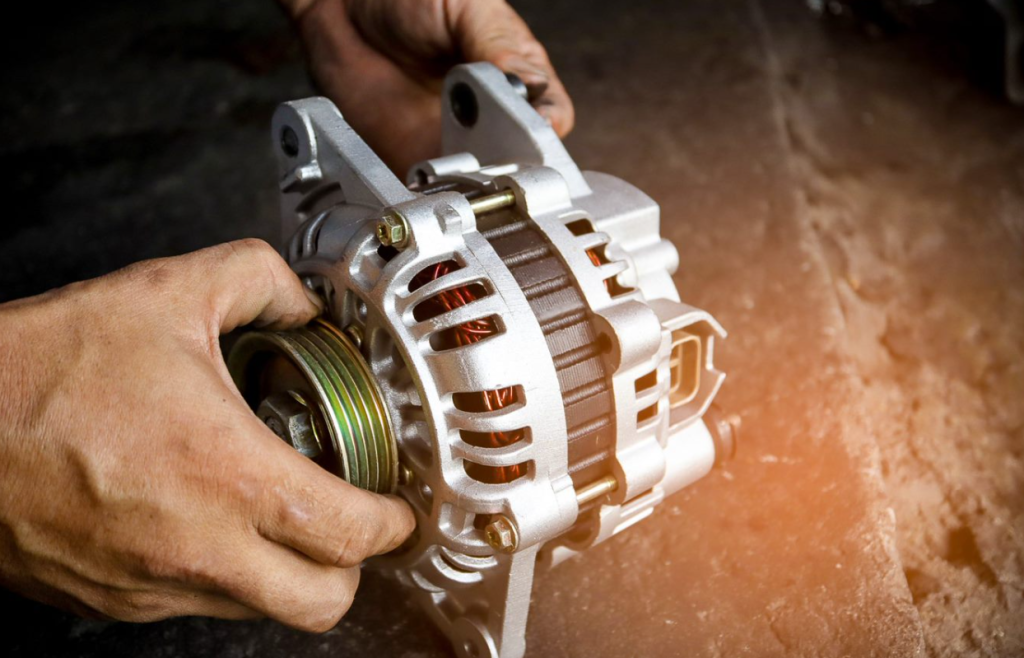
The alternator is the most important part of your Ford's electrical system. It generates the electricity needed for your car's systems and controls the flow of power to the battery. Unfortunately, like any mechanical system, your alternator can get damaged. If you live near Eveleth, MN, your local Ford dealer can help you. If you experience any problems, our technicians can fix them for you. These are a few of the signs that you may need an alternator repair.

Signs You Need an Alternator Repair at Your Ford Dealer

Battery Warning Light

The warning lights in your Ford provide a great early warning that something is going wrong. With any problem, the earlier it's identified the quicker and easier it is to fix. in the case of our battery warning light, this light comes on if a problem is detected anywhere in your electrical system. It's important to remember that your alternator may not be the cause of the problem.

An alternator problem that can trigger the light is the weaker power generation by a damaged alternator. A healthy alternator produces around 14.5 volts, which is more than sufficient for all your car's electrical demands. As the alternator gets older, it produces less power. When your alternator produces less than 13 volts, this means it failing, and the warning light will come on.

Growling and Whining Noises

Engine noises are never a good sign. Your Ford engine is silent as it operates, so unusual noises immediately mean something is wrong. Several different problems with the alternator can make strange sounds, including a worn alternator belt or damaged alternator bearings. Your alternator spins on several bearings, and a damaged bearing will make growling noises as it moves.

The alternator belt runs at high speed across a series of pulleys. Over time, this high-speed movement can lead to the belt running slightly off course. The constant movement of the belt can also loosen it. Either of these situations can create a whining noise due to additional strain on the belt. The belt has to be tensioned correctly for your alternator to work effectively.

Dim Lights

Dim lights can mean that your headlight bulbs are going to fail. It can also mean that your alternator isn't supplying enough electricity. If your alternator is wearing down, it can't supply enough power for all of your devices and accessories. To spread that limited power as far as possible, the various components will be supplied with just enough electricity to work.

A headlight problem can also be caused by damaged wiring or rust in the bulb sockets. To determine the exact cause, our technicians will need to examine your headlights and your alternator. We will find the cause of the problem, and we can repair it. If the alternator is the cause of the problem, you may also notice that your headlights are failing faster than they should due to the inconsistent power supply.

If you're experiencing any electrical problems, call us at Lundgren Ford.

Posted in:

Related Posts

Tire services | Lundgren Ford in Eveleth, MN

Discover the Benefits of Our Ford Tire Services

Heavily worn or imbalanced tires will prevent your Ford from performing properly, so scheduling regular tire maintenance is essential. Let's explore the benefits of our various tire services at your local Ford dealer. 5 Benefits of Tire Services from Your Ford Dealer Optimal Vehicle Performance The depth of a tire's treads plays a crucial role in maintaining your vehicle's performance. Thicker treads can enhance the steering response and provide better traction. Better traction improves the stopping time, delivering more efficient braking and reducing the risk of accidents. To avoid excessive wear, it is essential to check your Ford tires' tread thickness regularly. more A penny test is one of the easiest methods to check the tread wear at home or, for more accurate measurements, our trained technicians can measure the tread thickness with a tire gauge or tire tread depth indicator. If the treads are thinner than 2/32 inches, it is time to get new tires. Improved Safety Alongside tire wear, maintaining the correct tire pressure is essential for your vehicle's safety. Low tire pressure can cause friction between the tire and the road, which speeds up tire wear and reduces traction. A loss of traction may lead to loss of control, or the tire could blow out. Both scenarios could lead to serious accidents. Over-inflating the tires is also bad, as it can cause uneven wear through the center of the tire and affect handling. To avoid these issues, you must maintain an optimal tire pressure. The optimal pressure varies according to several factors, such as the wheel size, vehicle load, temperature, and speed, which is why you should always have it checked by our expert technicians. Longer Tire Lifespan Tire rotation is another essential service offered here at your local dealer that can increase the tire lifespan. This procedure helps ensure even wear, maximum tread life, and reduced drivetrain strain. Ford recommends rotating the tires at every maintenance visit or as indicated in your owner’s manual. Enhanced Fuel Efficiency Healthy tires can enhance fuel efficiency by reducing rolling resistance while driving. Your vehicle's engine won't have to work too hard to keep the wheels moving, meaning it will use less fuel to deliver the desired performance. Beyond the tire's wear and pressure, wheel alignment can also affect fuel efficiency. Lower Maintenance Costs Ultimately, having your tires serviced regularly can reduce your vehicle's overall maintenance costs. Regular tire check-ups can prevent wear and tear, so you won't have to replace the tires as often. Do you want to find out more about the type of services you can get for your Ford's tires? Contact us at Lundgren Ford in Eveleth, MN and we’ll be here to answer any questions you might have and schedule your maintenance.

Taking Care of Your Ford's Car Paint

Caring for your car paint keeps your vehicle looking good, but it also protects the exterior from the elements. Whether your car is a classic or fresh from the Ford dealership, proper care can keep the paint job looking new for years. more Regular Washing One of the simplest but most effective ways to protect your Ford's paint is by regularly washing it. Dirt, bird droppings, tree sap, and road salt can all damage the paint if left unattended for too long. Washing your car every two weeks, or more often if it gets dirty, can prevent these contaminants from causing lasting damage. Use a gentle automotive soap and a soft cloth or sponge to avoid scratching your paint. Drying Matters After washing, it's crucial to dry your car properly to avoid water spots, which contain minerals that may etch the paint over time. Use a clean, soft microfiber towel to gently dry the surface. Avoid letting your car air dry, as this can leave spots and streaks. Protective Waxing Applying a quality car wax every three to six months can provide a protective layer against UV rays, pollution, and minor scratches. Waxing not only helps in preserving the paint but also enhances your Ford's shine. Be sure to use a wax suitable for your vehicle's paint type, and follow the application instructions carefully. Practice Smart Parking Whenever possible, park your Ford in a garage or under a carport to protect it from the sun's UV rays and inclement weather. If indoor parking isn't an option, consider using a car cover made of breathable material to shield the paint from the elements. Avoid Abrasive Cleaners When cleaning your Ford, avoid using abrasive cleaners or tools that can scratch or dull the paint surface. Stick to products specifically designed for automotive use, and always test any cleaner or wax in an inconspicuous area first. Regular Inspection Regularly inspect your vehicle for any signs of paint damage, including fading, cracking, and peeling. Early detection can prevent minor issues from becoming major problems and help maintain the aesthetic appeal and value of your Ford. Repair Your Car Paint at the Ford Dealership No matter how careful you are, scratches and chips can happen. It's essential to address them immediately before rust sets in. For small scratches, a touch-up paint pen in the exact color of your car can do the trick. For more significant problems, it's wise to consult the professionals at your local dealership. Our certified technicians can repair the damage and leave your paint looking new again. By following these simple tips, you can make sure that your Ford continues to shine for many years to come. Visit Lundgren Ford in Eveleth, MN, for all the help you need caring for your paint.

7 Signs of a Faulty Ignition Coil

An ignition coil plays an important role in how your gas-powered vehicle starts and runs. These coils convert low battery voltage into higher voltage to ignite the spark plugs. A faulty coil can impact a vehicle's performance, fuel-efficiency, and safety. By knowing the warning signs of a bad coil, you'll be able to take prompt action and schedule repairs at your Ford dealer right away. Read on as we discuss 7 signs of a faulty coil. more 1. Illuminated Engine Light Modern vehicles are equipped with onboard diagnostic sensors that detect issues within various components, including the ignition system. So, if a coil is going bad, those sensors will usually activate the check engine light. 2. Misfiring Engine When a coil fails to send the required voltage to the spark plug while you're driving, the engine will likely backfire. Backfiring will typically cause a jerking or sputtering, especially as you attempt to increase speed. If you notice this symptom, it is very important to have your vehicle checked by a mechanic right away, as continuing to drive an automobile in this condition may do further damage. 3. Hard Starts This is another instance where a coil is not sending enough voltage for the spark plug, except this happens when the car is being started. If your engine seems to be struggling to start, or you have to attempt starting several times, a bad coil may be to blame. 4. Decrease in Power If a bad coil is causing inadequate combustion, it can cause sluggish performance or hesitation when attempting to accelerate. 5. Sudden Backfires If a faulty coil cannot supply the spark plus with enough voltage to pull fuel, sometimes the fuel will escape from the exhaust system instead and cause backfiring. Ignoring backfires can lead to severe engine damage, so it is vital to get the issue addressed as soon as possible. 6. Engine Leaks Oil As a bad coil tries and fails over and over to transmit voltage, it can overwork itself and ultimately overheat. This overheating can break or damage the engine pipes, causing oil to leak out the cracks. 7. Increased Fuel Consumption When a coil is faulty, it can throw off the balance of the air/fuel mix during the combustion chamber. The engine responds to this imbalance by using more fuel in attempts to make up for the missing energy. While a coil from your vehicle's ignition system may not seem like a major car part, this component has a very important job. From misfiring to oil leaks, a faulty coil can significantly impact how your vehicle's engine starts and runs. If you are experiencing any of the above issues with your automobile, be sure to visit or call Lundgren Ford in Eveleth, MN today ​ for repairs.